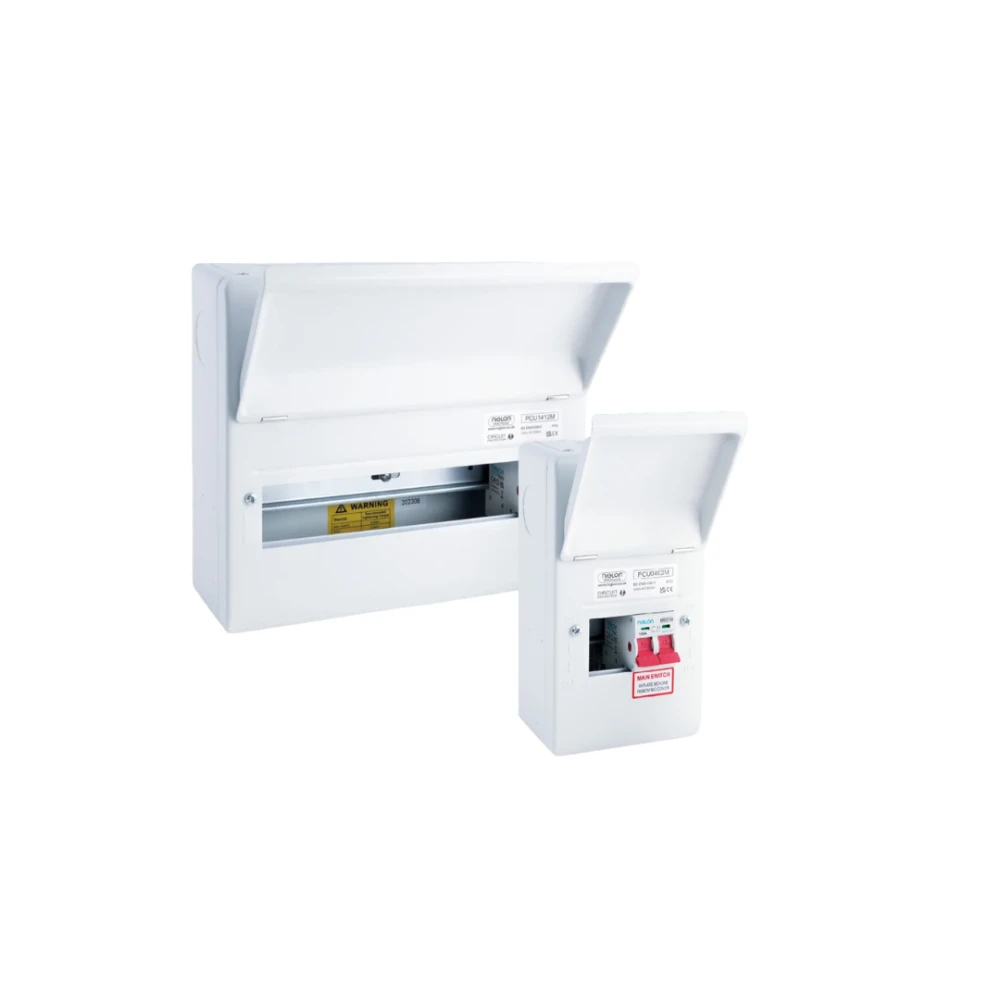
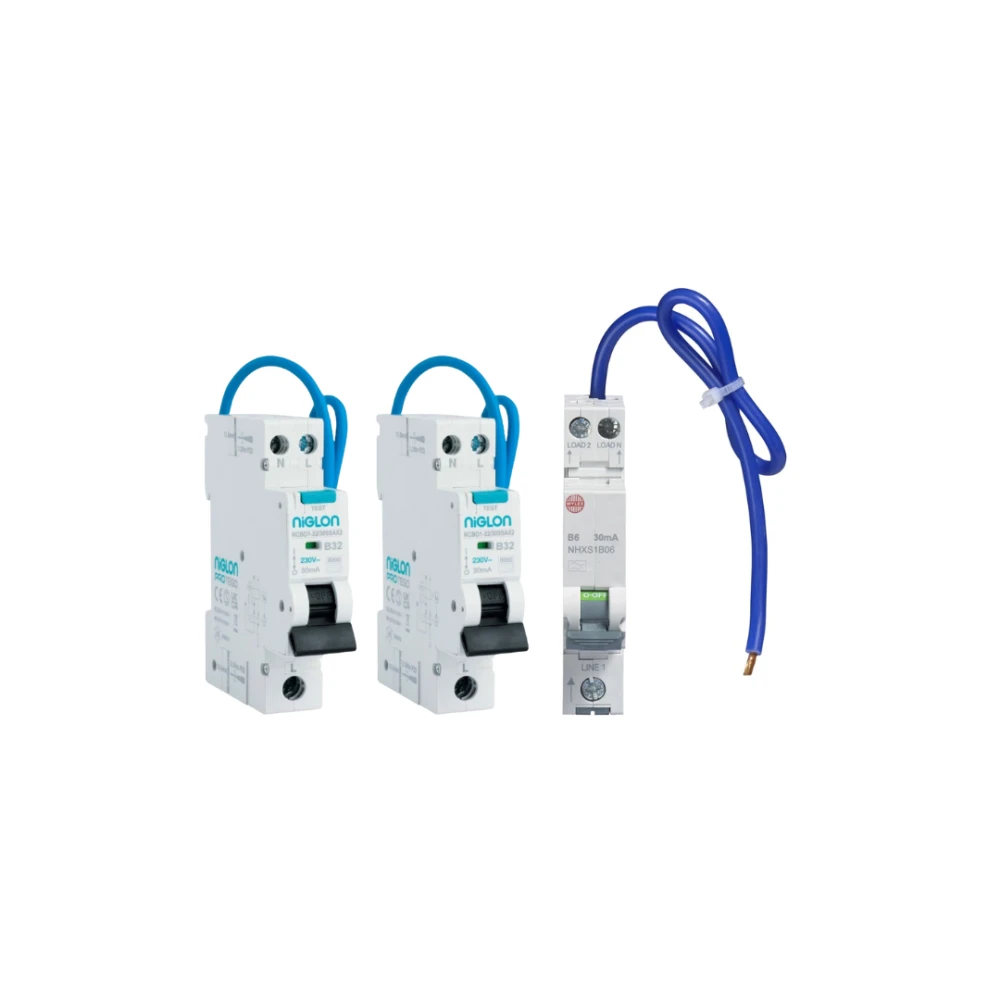
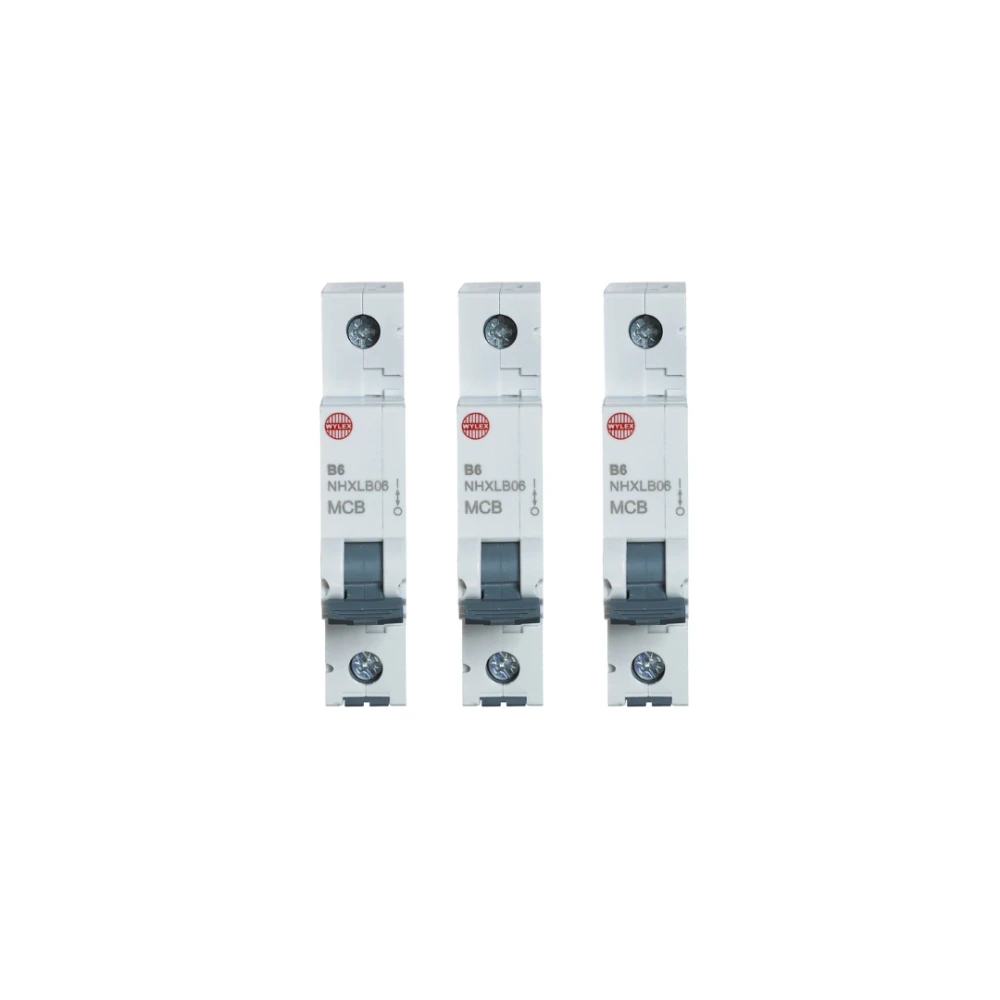
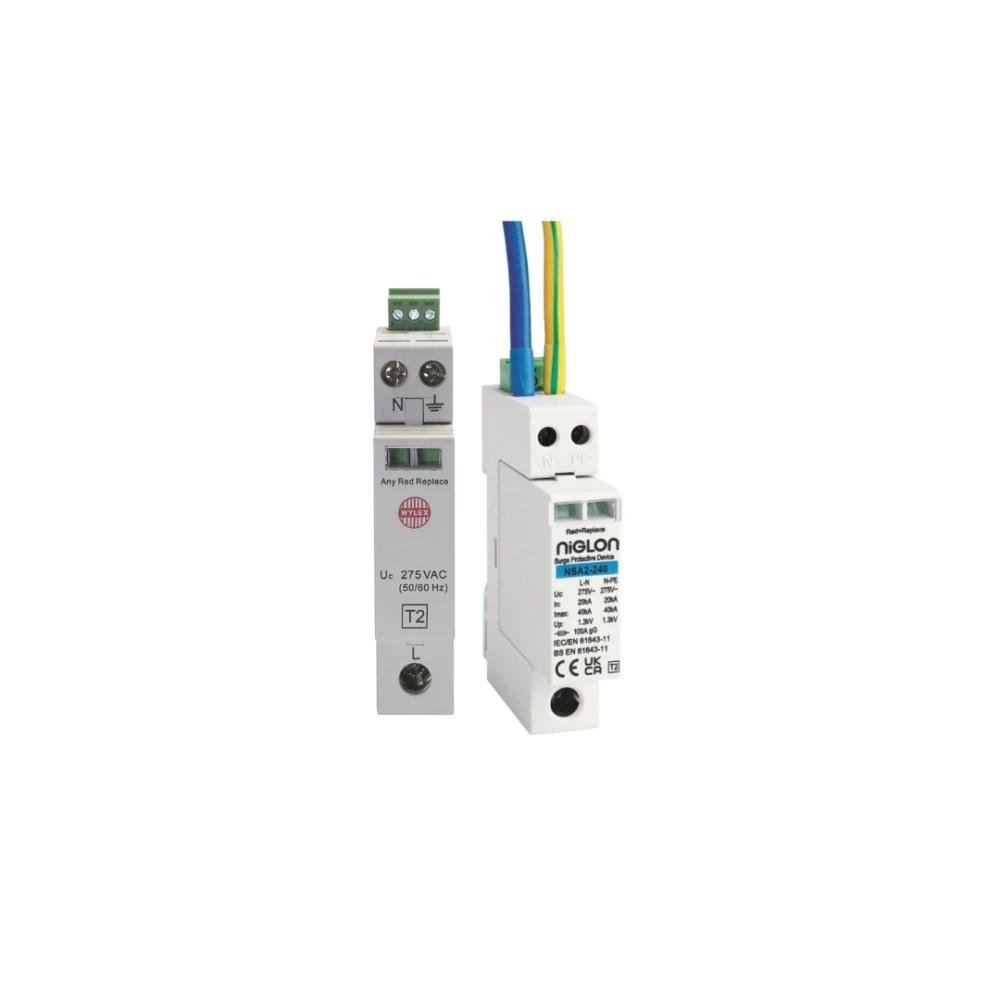
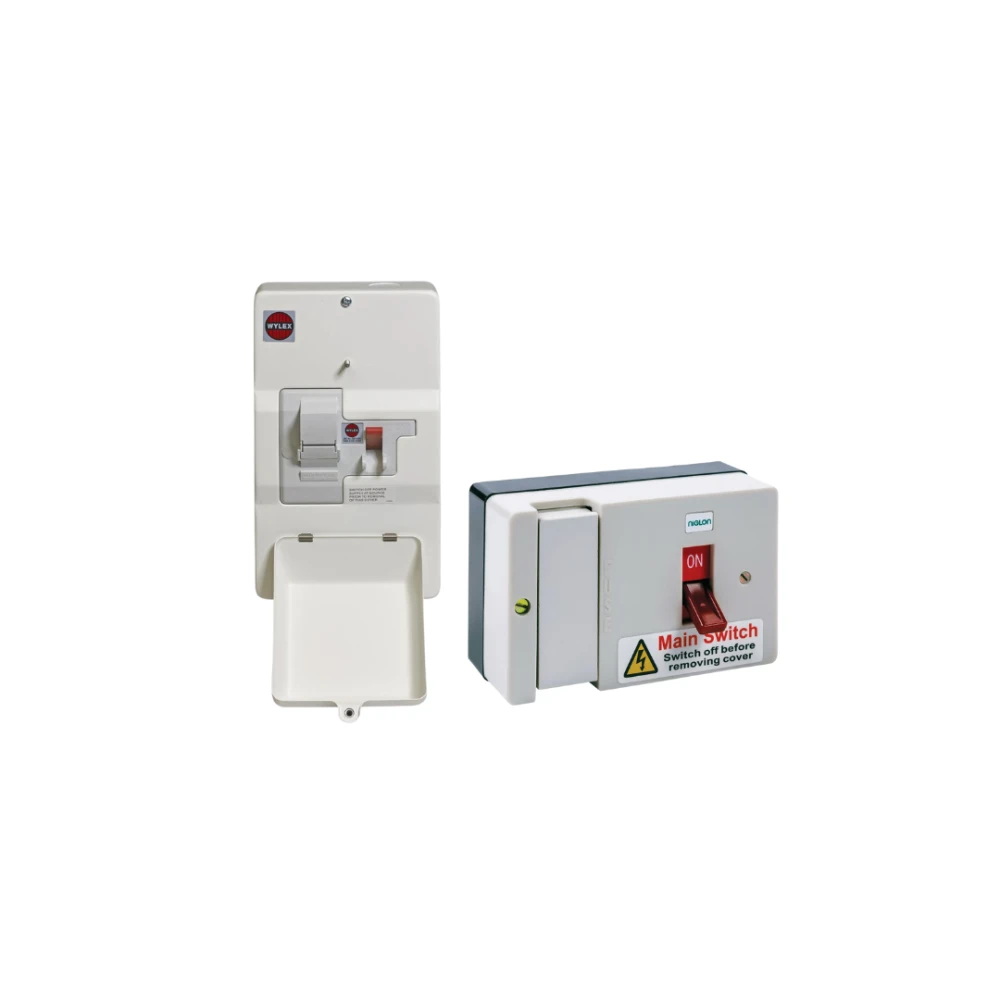
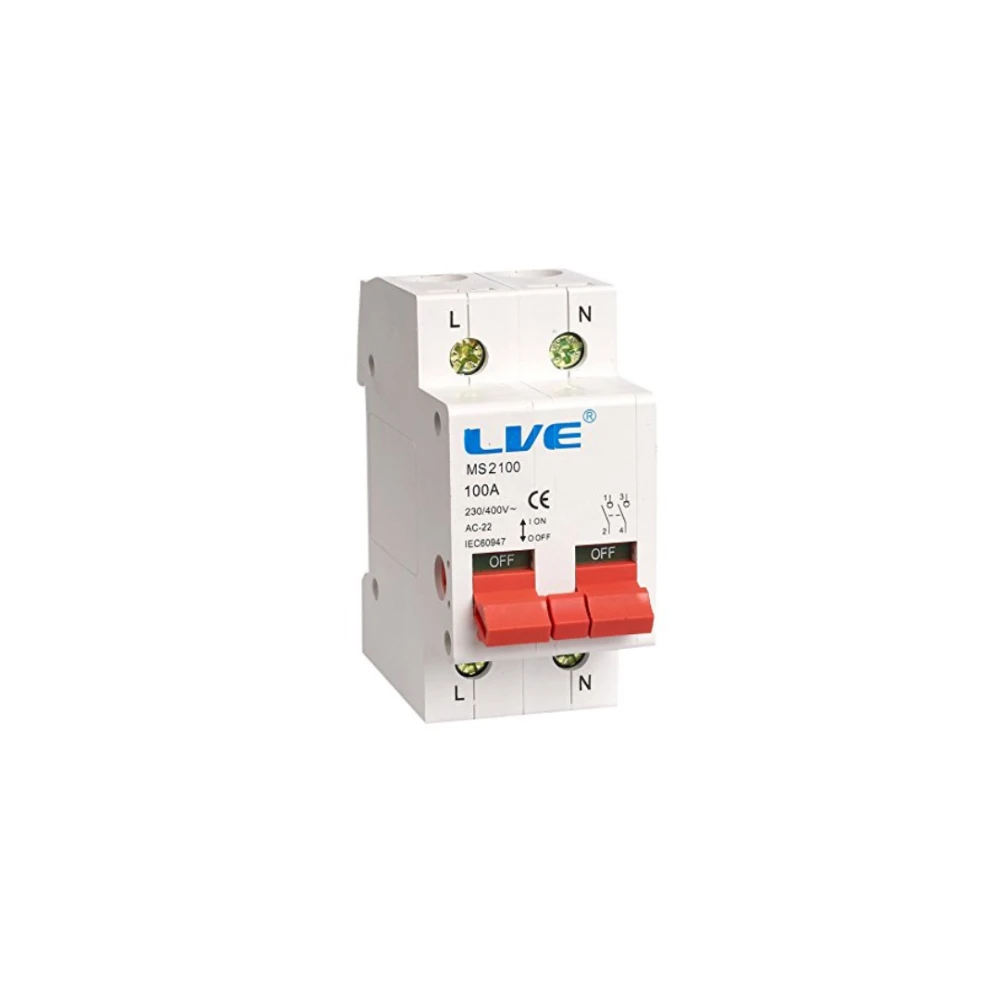
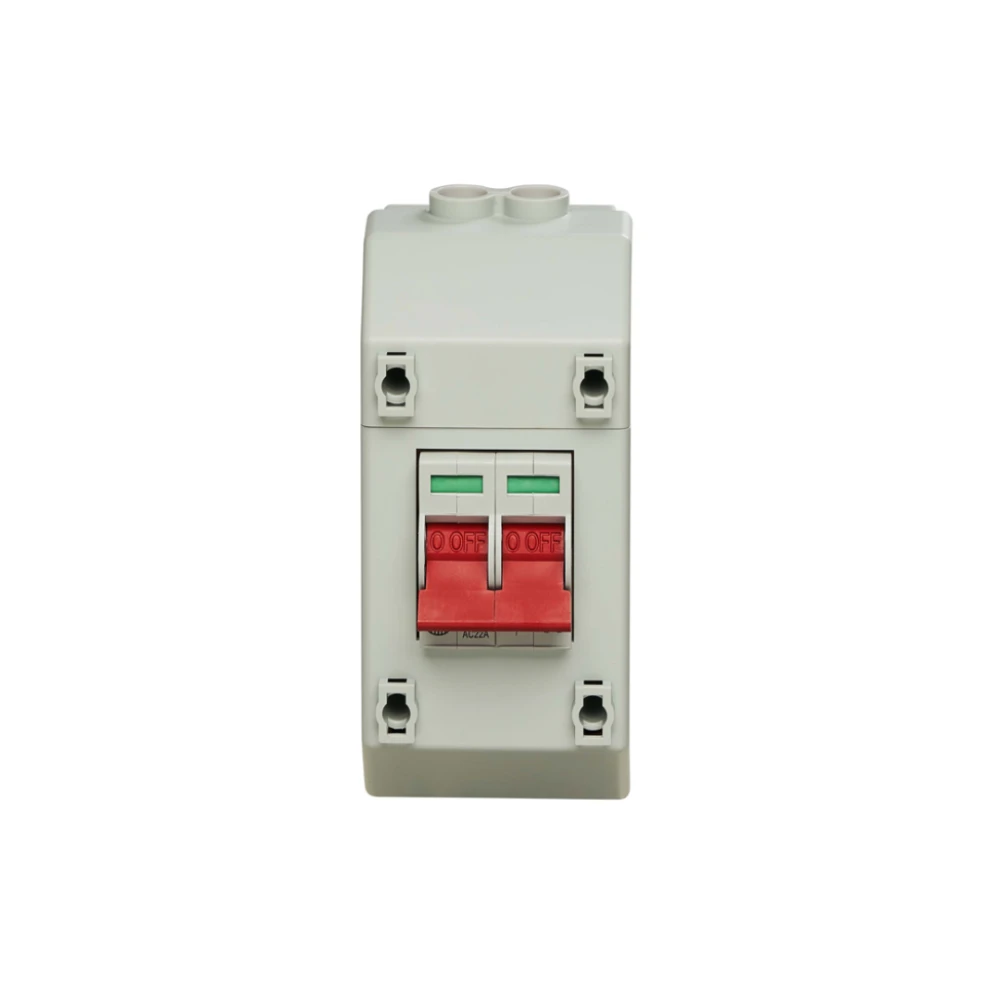
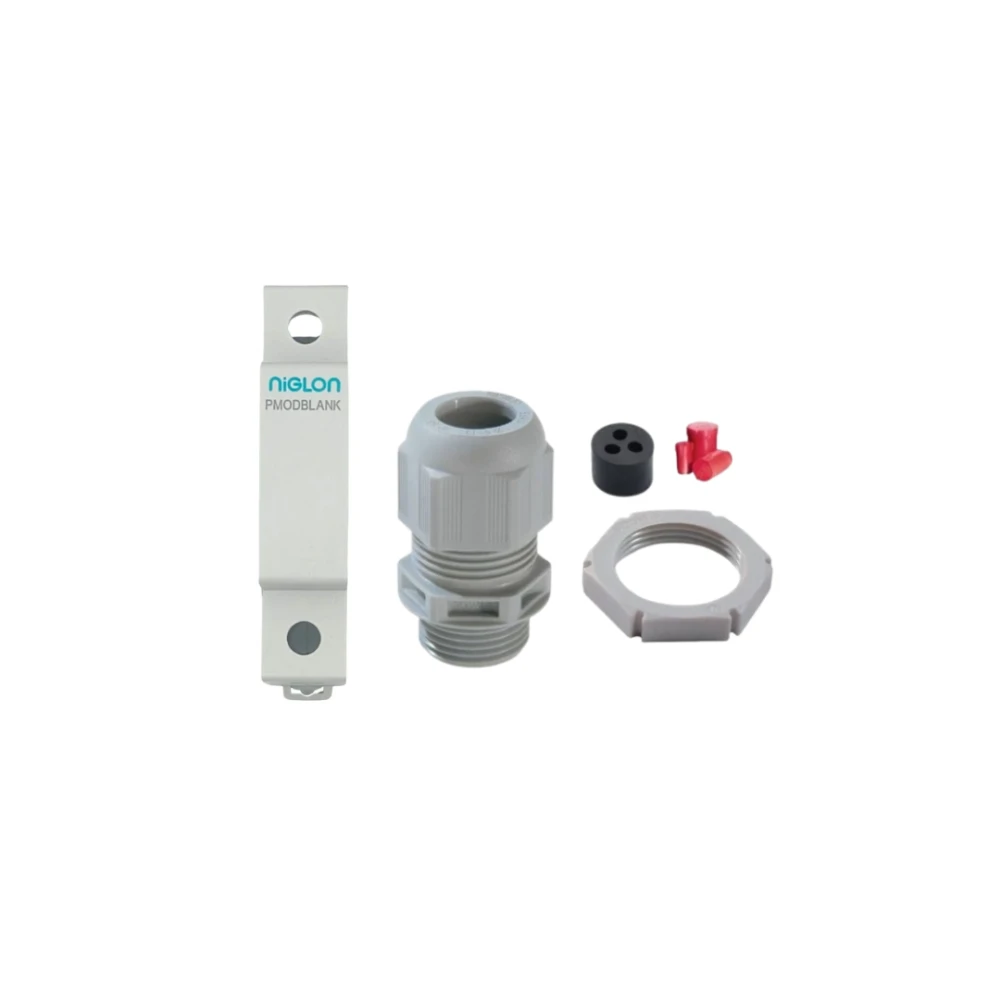
Switchgear and distribution from Hager, Wylex and Niglon, covering the consumer unit and every protective device that goes with it. You will find metal-clad consumer units built to the current 18th Edition, MCBs, RCBOs, RCCBs and RCDs, surge protection (SPDs), switch fuses, main switches and rotary isolators.
It is the full board in one place, from a new domestic unit to a compliance upgrade or protection for a commercial install. Order the enclosure and the devices together at trade prices, with next-day options on core lines. If you are unsure which RCBO rating or curve the circuit needs, the branch can talk it through.
A typical consumer unit build combines MCBs, RCBOs, RCCBs and RCDs, and metal clad consumer units.
An MCB protects a circuit against overload and short circuit only. An RCBO does that job and adds RCD earth-fault protection in the same module, so each circuit has its own shock and fault protection. The 18th Edition leans towards individual RCBOs so that a fault on one circuit does not trip the whole board.What is the difference between an MCB and an RCBO?
The curve sets how much inrush the breaker tolerates before it trips. Type B (3 to 5 times rated current) suits domestic lighting and sockets, Type C (5 to 10 times) suits inductive loads like motors and fluorescent lighting, and Type D (10 to 20 times) is for high-inrush kit such as transformers and machinery.What do the MCB curves (Type B, C and D) mean?
Under the 18th Edition an SPD is required in most installations unless a risk assessment rules it out, and it is now standard on new boards. It protects connected equipment from transient overvoltages caused by switching or nearby lightning. Many current consumer units are supplied SPD-ready or with one fitted.Do I need surge protection (an SPD)?
Count the circuits you need, then add spare ways for future additions like an EV charger or an outbuilding. As a rough guide a small flat might take 6 to 8 ways and an average house 10 or more, but always size up so there is room to expand without a board change.How many ways should the consumer unit have?
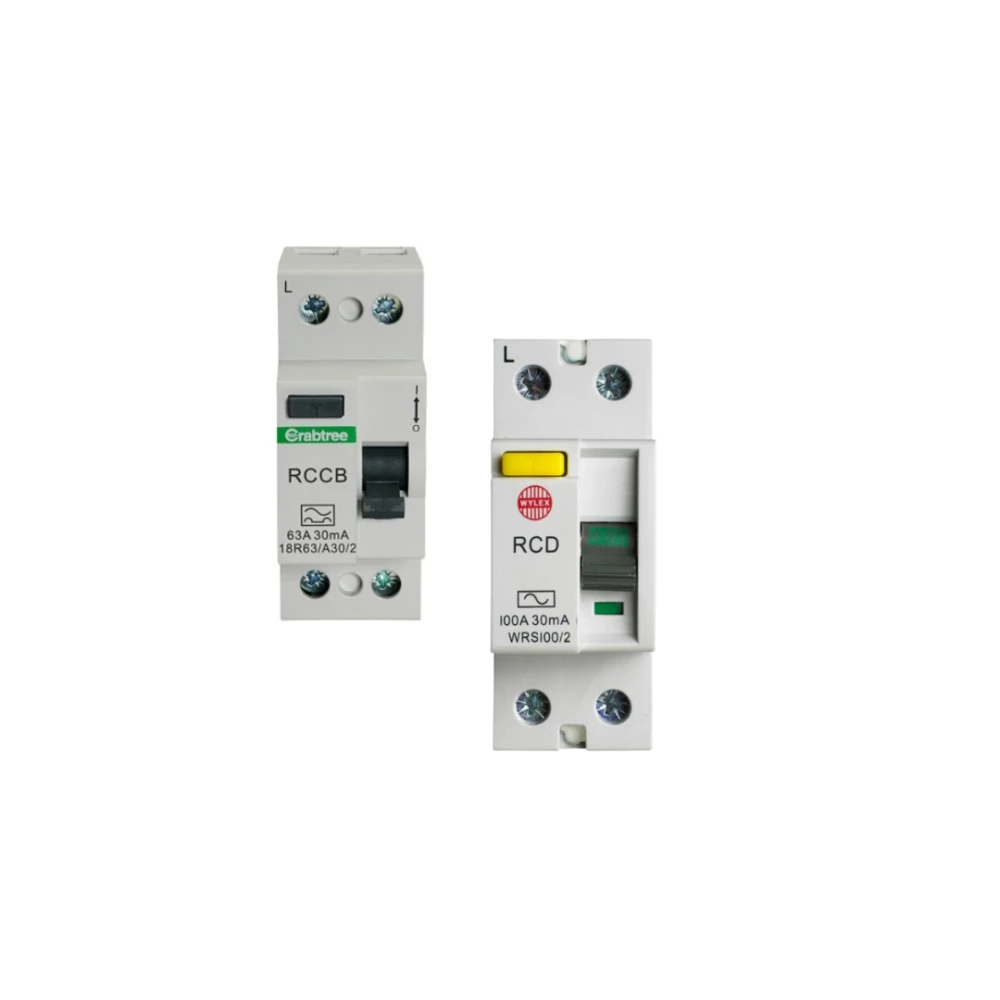
RCD is the general term for a residual current device. An RCCB is an RCD that gives earth-fault protection to a group of circuits but has no overload protection of its own, so it works behind MCBs. An RCBO combines RCD and MCB protection for a single circuit, which is why it is the go-to for individual circuit protection.What is the difference between an RCCB, an RCD and an RCBO?
 Site version: 5.8.7.0